Everyone knows it: the business unit would rather contact the freelancer they already know directly than fight their way through complicated processes. Understandable, but fatal for procurement: the consequences are a lack of transparency, risks such as bogus self-employment, and squandered savings potential.
"In most cases the department falls back on service providers they already know [...]. Usually all without the procurement department. Simply because they feel it is faster." - Mark Appun
But why exactly do business units bypass the official procurement process in the first place? Here are the typical causes of why maverick buying arises in companies.

The reasons for maverick buying – why business units prefer to take shortcuts
At the very top of the list of reasons: the official processes are too complicated and slow:
"The normal process takes so long [...] that the regular route simply can't be followed anymore, and then maverick buying happens. And that is partly intentional." Olaf Haehnel
In addition, our interviews revealed further drivers: missing clear responsibilities, a lack of consequences, and the personal relationship with freelancers or intermediaries. In summary? The reasons for maverick buying are the usual suspects:
- Acute time pressure
- Rigid and lengthy processes
- A lack of consequences
- Established relationships with the freelancer or intermediary
6 tips against maverick buying – from quick wins to big bang
1. Complicated demand requests – why do we actually make it so hard for ourselves?
Let's be honest, business units love fast solutions and hate complicated demand requests. The typical nightmare usually looks like this:
- Log into the ERP.
- Download a Word template
- Draft a project description
- Upload the document and wait for procurement or the intermediary
- Finally receive candidates
- Even more follow-up questions with the intermediary
- Wait again for new candidates
- Start interviews
No wonder business units get the impression: reaching out directly to preferred service providers is faster and easier.
"When it is clear which service provider is being engaged at what cost and with which skills, they also register the demand with us in the tool. Various parameters are filled in there – group company, cost center, category, etc. That then goes into a tool-supported approval workflow [...]." - Arnold Pritschet
In other words: the simpler the process, the more likely your managers are to stick to it. Simplifications can be implemented just as effectively on a small scale as holistically.
A particularly smart quick win: give your hiring managers practical example prompts for ChatGPT. That way, at the very least, a professional project description in the right format (and according to your specifications) is created within seconds!
Template: "I'm looking for a [position] for a [company description] in [location] ([remote share]) for [project goal]. The daily rate is [purchasing daily rate] and the workload is [utilization]. The candidate should be proficient in [specific skills]."
Example: "I'm looking for a Product Owner for a media company in Munich (90% remote) to develop an iOS news app. The daily rate is approx. €800 and the workload is 100%. The candidate should have experience in managing iOS developer teams."
Even better: specialized tools such as FRATCH GPT. These create complete project descriptions within seconds, immediately deliver matching candidate suggestions, transfer the request automatically into your ERP system, and forward it to preferred recruiters and agencies.
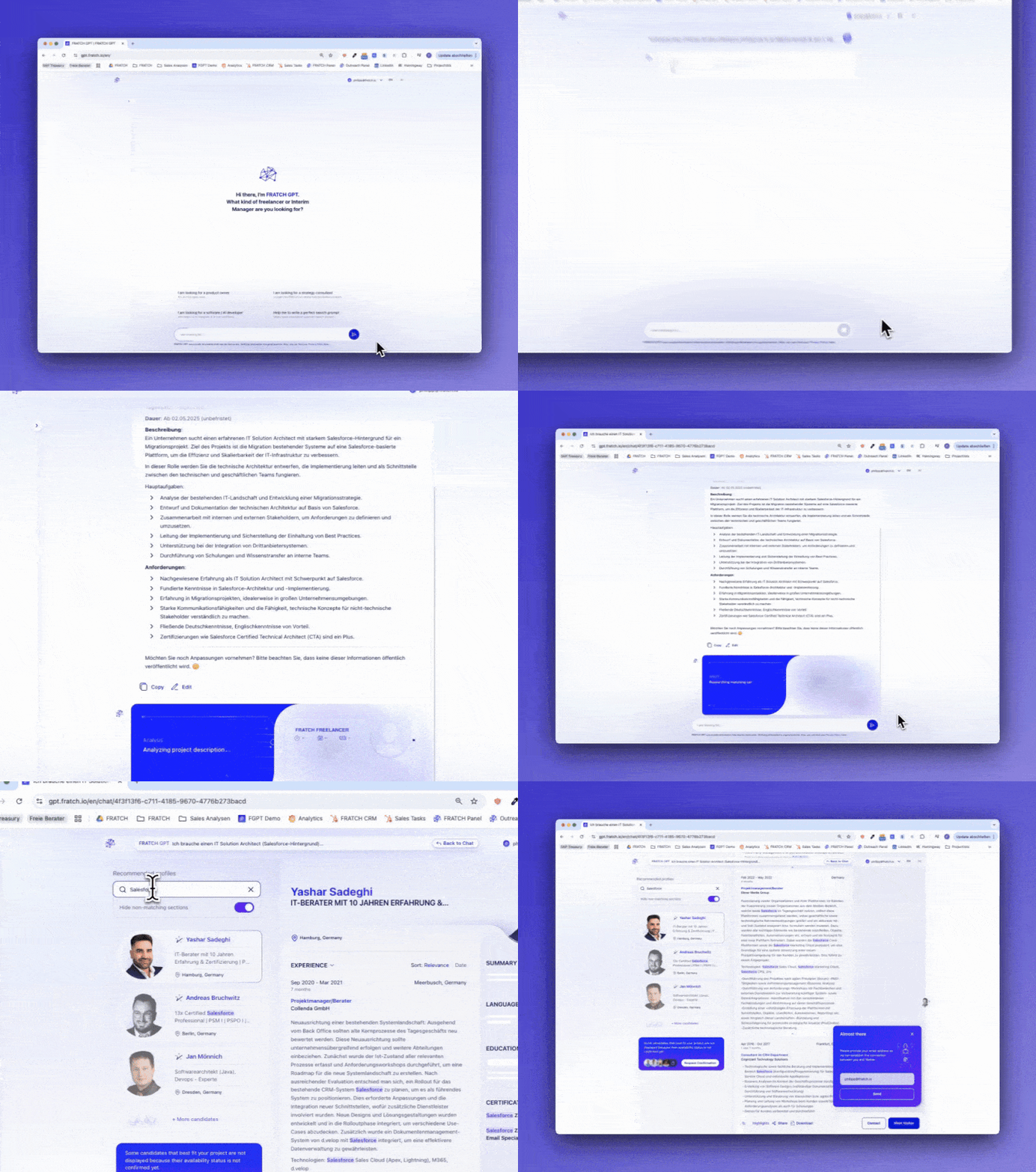
2. Forgotten again? Regular updates so your process stays top of mind.
Departments often engage freelancers only rarely and therefore quickly forget what the correct process looks like. Remind your colleagues regularly – for example with short updates that you send out monthly or quarterly. Here is an example of how we remind managers at our customers to create project descriptions quickly and easily:
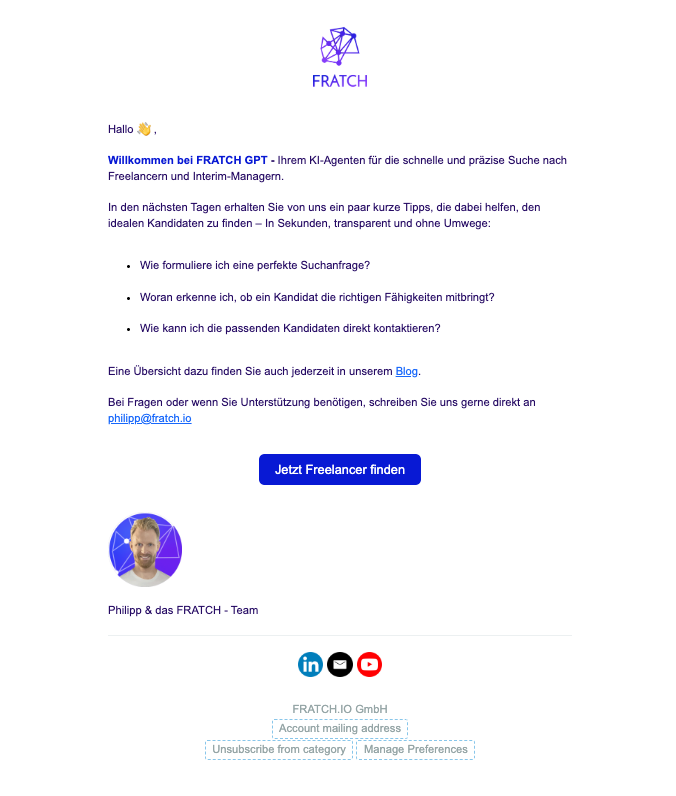
Get support from your marketing or internal communications team. Use standard email marketing tools or specialized campaign tools (e.g. Lemlist) to automate this reminder process.
"We have actually also brought the agencies into the responsibility. On the one hand they offer trainings, also actively for new stakeholders." - Anke Soltow
Here is an excerpt from the update flow that we at FRATCH regularly send to managers and hiring managers at our customers. We are happy to provide detailed content on request.
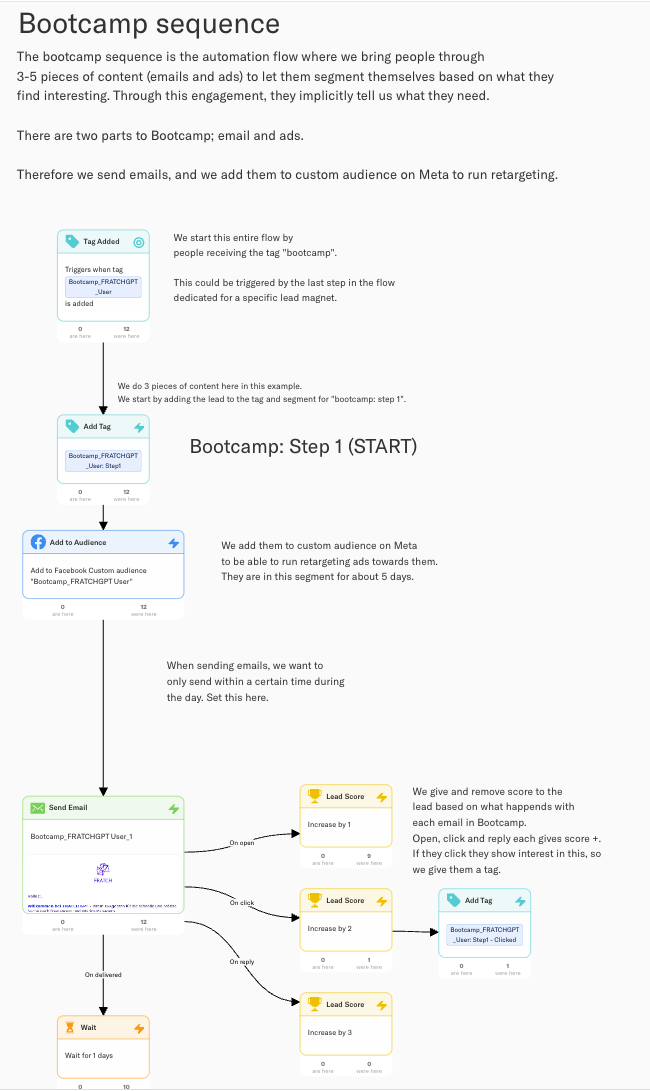
3. Transparency instead of flying blind – introduce digital maverick tracking
Introduce an automated database that continuously reconciles orders with approved contracts and reports deviations in real time. A clear dashboard reveals which department steps out of line most often – and how much savings potential is being lost.
So far we are only aware of in-house developed solutions – interested in an exchange of experiences? We are happy to put you in touch with our peers!
An alternative – and often easier to implement – method: track when procurement was brought into the sourcing process. For example in these four categories:
- From the very start
- For the selection of the vendor
- After the selection
- Shortly before the engagement
Combine this timing with the realized savings – and you get a clear picture: the earlier procurement is involved, the higher the savings potential.
This way you create not only transparency but also a strong argument for involving procurement early.
4. Quarterly report: "What gets measured gets managed"
"What gets measured gets managed." – Peter Drucker (unfortunately we couldn't interview him in person 😉)
Establish a regular quarterly report based on your tracking system. Visualize where process violations occur and what impact they have. Use the report not to assign blame but as an occasion for constructive conversations between procurement and the business units.
5. A look into the future – proactive demand planning
Make sure your HR department is involved from the start. Many aspects of freelancer engagement – from demand forecasting to compliance – sit at the interface of procurement and HR. Shared goals and a regular exchange between both departments are therefore key factors. Only then can guided buying be successfully embedded, demand be recognized early, and be aligned with the business unit.
"Open, transparent communication between HR, business units, and procurement is necessary. That has to go hand in hand." – Oguz Bohlig
"You also have to … extend it to the HR department, because it has a weighty say in many decisions." – Torsten Schneider
6. Preferred supplier management
Work exclusively with selected, contractually bound preferred partners and measure their performance regularly. A small, consolidated pool of service providers simplifies coordination and at the same time increases the partners' willingness to adhere to your processes and pricing standards. The decisive factor here: clear rules without exceptions – all business units may only order from defined suppliers. In addition, you should evaluate your suppliers regularly and give qualified new providers the chance to prove themselves. Want to learn more about this? Talk to us about the freelancer supplier assessment sheet.
"… there are three to five large service companies and we try to consolidate things there. That saves process costs and simplifies supplier management." – Sabrina Lüdtke