


VDA 6.3 Experts in Germany
for robust process audits, matched in minutes with vetted and available freelancersHire experts who assess manufacturing processes, prepare VDA 6.3 audits and turn findings into practical corrective actions across automotive supply chains. FRATCH matches you quickly and precisely with vetted, available freelancers.

Meet FRATCH Experts in Germany, who have recently used VDA 6.3
Gerold K.
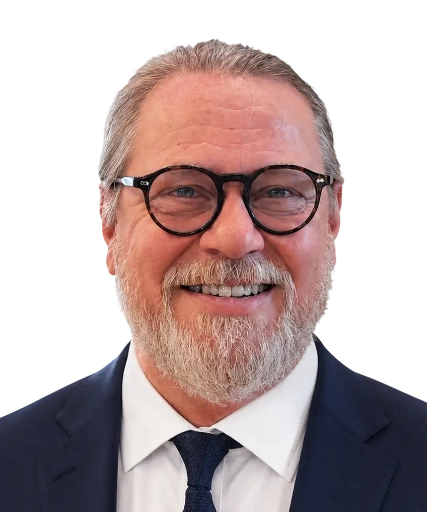
Last position:
Software Project Manager at Pioneer Europe R&D Center
- Field: Automotive / Amplifier
- freelance
- Mercedes Benz AG: MBOS 2.0 Amp581
- Coordination of an international software team
- Setting up and adapting development structures
- Representing software topics in all committees and meetings
- Coordination of various software suppliers
- Software responsibility for VDA 6.3 Audit & ASPICE Assessment
Dan H.
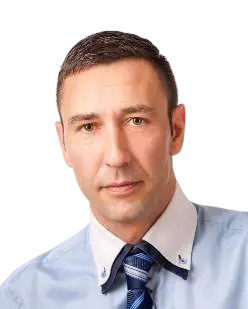
Last position:
Owner / Business Consultant at Unternehmensberatung Dan Hartung
- Strategic consulting and support for certifications according to ISO 9001, ISO 14001, VDA 6.3, IATF 16949, TISAX, and AZAV.
- Optimization of business processes to improve efficiency, legal compliance, and audit readiness.
- Delivery of professional training, including forklift training, safety briefings, and ADR 1.3.
Andreas K.
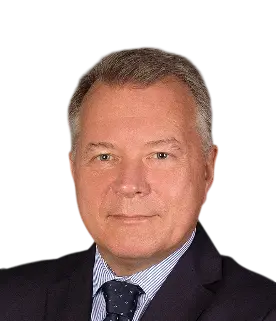
Last position:
Project Manager at Winkelmann Building+Industry / Reflex Winkelmann
As part of a greenfield project, a new production plant is being built in Slovakia to produce industrial media storage for OEMs and distributors once completed.
Procurement and industrialization of production equipment for prefabrication.
Design, procurement, installation and integration of complete production lines based on stamping, forming and welding technology with integrated, labor-reducing processes.
Establishment of a production environment under strategic aspects according to the latest state of the art.
Overall and continuous communication with the entire greenfield team, adjacent departments and plant and executive management.
Development of concepts together with key suppliers and identification of ratio potentials along manufacturing process chains using value stream analyses.
Collection, assessment and application of process data such as throughput times, manufacturing times, setup times, wait and idle times using time and multimoment studies as well as surveys.
Forward-looking design of production systems and processes with the goal of implementing automated and competitive process solutions as part of comprehensive supply chain management.
Planning of production workflows, definition of manufacturing methods, design of the overall layout and workstations.
Determination and recording of process cost rates, overhead rates, cost evaluation of production processes, machine hourly rates, depreciation as well as expected share of claims and rework costs to optimize manufacturing costs.
Continuous optimizations of product designs for their adaptation into automation-oriented production environments until the plant's SOP.
Multi-project management for the engineering, design, procurement, installation and process integration of all relevant trades with respect to plant engineering, lifting equipment, production equipment and QA installations.
Ongoing establishment of an overall concept in constructive, plant engineering, logistical, IT and QA aspects.
Rosendo M.
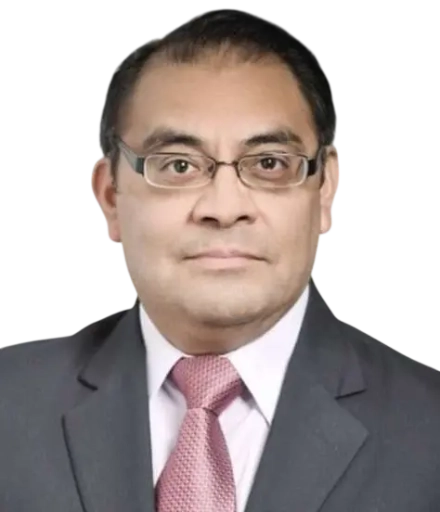
Last position:
Quality and Supplier Management at Quality and Supplier Management
- Monitor supplier performance, including KPI analysis and follow-up on actions
- Conduct supplier assessments & risk analyses
- Plan and conduct supplier and process audits (VDA 6.3, ISO 9001)
- Develop supplier-related processes and incoming goods strategies
- Support PPAP approvals, sampling, and initial sample inspections
- Analyze quality deviations and launch sustainable CAPA measures
- Prepare reports and analyses for management and customers
- Guide new suppliers through a structured onboarding process
Marco D.
Last position:
Freelancer at Freelancer
Olaf S.
Last position:
Senior Supplier Quality Engineer for Sanitary Products at Grohe AG
- Responsible for carrying out sample approval processes
Georg S.

Last position:
Internal environmental auditor at VOREST AG
- Function of environmental audits
- ISO 19011: Principles, planning and conduction of audits
- Meeting the requirements of ISO 14001
- Identifying and assessing the EMS requirements
- Conducting audit interviews
- Documenting audit results
- Function and tasks of ISO 14001 auditors
- Function and tasks of environmental auditors
Ümit D.

Last position:
Managing Director at SELF Consulting und Trading Germany
- Successful integration of new business areas
- Support for change management projects
- Introduction of lean management and digitalization initiatives
- Management of external partners, interim managers, and consultants
- Successful implementation of growth and transformation strategies
- Plant expansion
- Plant relocation
Thomas A.
Last position:
Interim Management at Vincorion Power Systems GmbH
- Process and project management to optimize products and development processes for energy systems
- Technical risk management
- Requirements engineering and system architecture
- System FMEA of power generator units and energy storage modules aiming for generic structures
- Claims management according to Section 313 of the German Civil Code
- Regulatory environment: military and NATO standards, AQAP, VG norms
Dennis W.
Last position:
Factory Planner and Overall Project Lead: Factory Planning at EPRO Emerson
- Conducted a site survey: Detailed documentation of all existing machines, equipment, layouts, utilities, and processes
- Technical analysis: Assessed the performance, efficiency, and utilization of machines and their interfaces
- Process mapping: Documented material flow, lead times, bottlenecks, and waste
- Layout optimization: Analyzed the existing setup, simulated material and people flows, and developed an improved factory layout
- Cost-benefit analysis: Analyzed the costs and benefits of replacing, modernizing, or modifying equipment
- Stakeholder management: Engaged production, maintenance, logistics, occupational safety, and senior management
- Created a roadmap: Planned implementation phases, milestones, investments, and downtime
- Prepared change management: Employee training, communication plan, and support for the culture shift toward more modern processes
- Modification plan and tracking
Mirko H.
Last position:
Cybersecurity Manager at Joynext GmbH
Cybersecurity for RTCU project for the Stellantis Group.
The management of cybersecurity was strongly criticized by the customer Stellantis, questioning competence. Requirements were missing or incomplete, the architecture for cybersecurity controls was non-existent, and documentation such as cybersecurity plans and concepts were incomplete and formally incorrect.
- Building customer trust and de-escalation
- Sprint planning with the customer based on SAFe
- Task-force management
- Switching planning and control to an agile approach
- Review and update of cybersecurity documents
- Communication and problem solving with suppliers, particularly Rolling Wireless and Autocrypt
- Internal workshops and coordination across various hierarchy levels from developers to CTO
- Coordination of work packages and implementation across locations in Dresden, Ningbo, and Oborniki
- Reporting and support of cybersecurity audits
- Coaching of Joynext cybersecurity managers
- De-escalation of critical customer issues
- Acceleration of requirement creation and release by a factor of 5
- Timely provision of 3rd party components
- Reduction of vulnerability management effort by factor 3
- Creation of cybersecurity documents conformant to existing standards
- Technologies and Methods: V-Modell, ASPICE, IREB, ISTQB, Scrum, Kanban, SAFe, PMP, IPMA, BPMN 2.0, Microsoft Office, Microsoft Project, Jira, Confluence, Siemens Polarion, Dependency Track
Sathish V.
Last position:
Master's Thesis Student Quality Management at PAVANA GmbH
- Development of a software-based DMS framework for the integration of QMS with a focus on compliance with ISO 17025 and MEASNET + TR6
- Participated in external DAkkS audits
- Created FMEA, quality deviation reports, Ishikawa diagrams, and 5 Whys reports for energy yield uncertainties and WTGs
- Highlighted critical variables (e.g., wind speed, wind direction, terrain) influencing uncertainty and evaluated data quality to implement QA/QC measures
- Identified main sources of uncertainty in energy yield assessment (e.g., model assumptions, data variability) and assessed impact on energy yield projections
- Systematically calibrated and validated the model using reference data (e.g., LiDAR) to reduce uncertainty while implementing continuous quality improvement processes (PDCA, RCA, SPC, FMEA)
Thomas E.
Last position:
Quality Management Consulting at eiska-projekt
- At a third-generation, long-established company specializing in surface finishing of individual parts as well as small and large batches in the metal and plastics industries, the quality management system was completely revised in accordance with DIN EN ISO 9001:2015 and aligned with practical needs. As an external Quality Management Representative (QMB), my main duties included preparing for and following up on internal and external audits, as well as certification audits. Other tasks included preparing management reports, reviewing and actively revising quality assurance agreements, and training employees. Targeted measures successfully reduced the complaint rate.
- As part of a part-time assignment, a quality management system in accordance with DIN ISO 9001:2015 was introduced and implemented at a toolmaking company with around 40 employees working in 3 shifts. This included preparing all documentation, such as the quality manual, management review, work and process instructions, forms, and procedures, as well as training employees. I also prepared for and followed up on internal and external audits, as well as certification audits. The company successfully passed the certification with flying colors. The assignment ended after 5 months, after the internal Quality Management Representative had been successfully trained.
- As part of an interim assignment as Head of Quality Management at an international automotive supplier of body sheet metal parts for well-known OEMs, the quality management system was completely revised in accordance with IATF 16949:2016 and realigned with practical needs. This included streamlining processes, preparing management reports, and preparing for and following up on internal and external audits, as well as certification audits. Customer visits were also organized and supported, and employee development was advanced. Complaints were handled using methods such as 8D, 5-Why, and Ishikawa. I also had disciplinary responsibility for the quality team and successfully reduced complaint costs. Quality assurance agreements were reviewed and actively revised. The interim assignment ended after 6 months when I was hired permanently.
- As part of a failure analysis, the assembly process at a company producing plastic housings for integrating electrical components used to amplify GPS signals was investigated. After the assemblies were delivered, cracks increasingly appeared in the plastic housings, allowing water to enter and causing the assemblies to fail. By identifying opportunities to improve the material, assembly, and sealing, targeted improvement measures were implemented. After redesigning and optimizing the assembly line, the cause of the failure was permanently resolved. This led to a significant increase in customer satisfaction and a substantial reduction in scrap costs.
- As part of an interim assignment as Head of Quality Management at an international automotive supplier serving well-known OEMs, the quality management system was completely revised in accordance with IATF 16949:2016 and aligned with practical needs. Duties included preparing for and following up on internal and external audits, as well as certification audits; introducing CAQ software; and handling complaints using methods such as 8D, 5-Why, Ishikawa, and problem-solving sheets. Processes were also streamlined and realigned, management reports were prepared, and customer visits were supported. Employee development and cooperation with internal and external material testing companies and suppliers were also strongly promoted. I also had disciplinary responsibility for 16 quality management employees and successfully reduced complaint costs. Quality assurance agreements were reviewed and actively revised. The interim assignment ended after 20 months when I was hired permanently.
- In preparation for the DIN ISO 9001:2015 recertification of a global industrial company in Lower Saxony with 1200 employees, internal audits were organized throughout the company. This included planning, conducting, and documenting audits, preparing reports, and following up on actions. I also coordinated the implementation of identified improvement opportunities. The company successfully passed the audit, confirming its continued compliance with quality standards.
- Lead Auditor 9001-2015, working for three certification bodies.
- Following the sale of a long-established injection molding company to a new owner, a comprehensive restructuring was carried out. The aim was to optimize production processes, in particular by reducing setup times, improving tool preparation, preheating, and material flow, and minimizing downtime and scrap. Further measures included setting up an organized material and color batch warehouse, structured workstations, and efficient work routes. Modern equipment was also purchased, with a focus on securing customer orders and jobs. Processes were streamlined to improve the company's efficiency and competitiveness over the long term.
- As an external Quality Management Representative (QMB) for an international manufacturer and supplier of plain and rolling bearing technology, the quality management system was fully revised in accordance with DIN EN ISO 9001:2015 and aligned with practical needs. Duties included preparing for and following up on internal and external audits, as well as certification audits. Complaint handling processes were also improved using the 8D method to respond to customer feedback more efficiently and effectively. Other tasks included preparing management reports, developing employees, reviewing and revising quality assurance agreements, and recording and reducing internal complaint costs. Targeted measures significantly reduced the complaint rate and costs.
- As part of an interim assignment as Head of Quality Management at a renowned automotive supplier in Germany, I managed the quality management department of a company whose products are used in many premium vehicles. Duties included maintaining customer portals, coordinating internal quality assurance employees, preparing IMDS entries, and preparing and submitting samples in accordance with APQP and PPAP. The internal quality management system was also further developed and optimized in accordance with ISO 9001:2015. Other key areas included supporting customer, certification, and customer audits, as well as developing the company's existing quality management employees.
- As part of an assignment as an external Quality Management Representative (QMB) at an injection molding and toolmaking company in the plastics industry, an outdated QM system was brought up to date and adapted to the company's specific needs. The quality management system was completely revised in accordance with DIN EN ISO 9001:2015 and aligned with practical needs in close cooperation with the departments. Duties included preparing for and following up on internal and external audits, as well as certification audits; preparing management reports; and reviewing and revising quality assurance agreements. Complaint costs were also significantly reduced, and employees were trained in relevant quality processes. The assignment ended after 2 years when I accepted a long-term permanent position.
- In preparation for a project-specific VDA 6.3 audit by an end customer (OEM), a global textile company’s quality management system was aligned with the specific requirements of the automotive industry. The aim was to integrate VDA requirements into the existing ISO 9001:2015 quality management system. This included adapting processes, documenting relevant procedures, and training employees. The company successfully passed the audit, confirming its suitability for the automotive industry.
- As part of an interim assignment as Head of Quality Management at a global company specializing in exhaust gas recirculation systems, the main goal was to resolve major quality issues with manufactured components. Measures included setting up a Q-Gate to identify quality issues early and sending problems back to earlier production stages for root cause analysis. Solutions to production problems were developed in close cooperation with upstream departments. Employees were also trained to identify defects, and knowledge tests were introduced to strengthen quality awareness. These measures significantly reduced scrap rates and complaints and restored customer confidence. As a result, the customer successfully awarded follow-up projects. The interim manager also took disciplinary responsibility for the quality departments at both plants. The project ended successfully with a planned permanent position at the client company.
- On behalf of a German OEM, a quality project was carried out at a supplier in Southern Europe to analyze and resolve recurring functional failures in a component. The aim was to identify the causes of the quality issues and develop measures together with the supplier, then monitor compliance. During a process walk at the supplier, various irregularities in the production process were found to be causing the functional failures. Measures were agreed jointly and immediately incorporated into the production process. Implementation and ongoing monitoring of these measures led to a clear improvement in quality and stabilization of the redesigned processes in a short time. A follow-up audit based on a comprehensive sample confirmed the success of the measures. No further production problems or irregularities were found, and the supplier had regained its usual high level of performance.
Kai-Uwe T.

Last position:
Senior Consultant / Task Force Leader at MitsumiMinebea Electro Motors Malaysia
- Set up and led an on-site task force to develop the supplier
- Assessed the current on-site quality status
- Reviewed the current results of ongoing actions
- Monitored and supported the implementation of actions arising from customer field complaints
- Provided on-site process training for supplier employees (8-D method, Ishikawa, process documentation)
- Introduced the APQP process, Gemba walks and the LPA audit process
- Optimized the maintenance process, including preventive and predictive maintenance
- Monitored internal VDA 6.3 process audits
- Monitored immediate and corrective actions
- Validated action results
- Managed supplier teams to achieve mission goals: improving process effectiveness, manufacturing process robustness, complaint-handling effectiveness, and proficiency in P-FMEA, 8-D, risk analysis and problem-solving methods
- Ensured effective implementation of actions
- Restored customer satisfaction and confidence in the supplier
- Improved the VDA 6.3 result from C to A (>90 %)
Norman J.

Last position:
Varta Microbattery GmbH
- Implementation of automated data visualization/evaluation as a basis for further decision-making processes
- Analysis of production data to identify relevant quality issues and their technical root causes using the Six Sigma method
- Lead of the internal resistance task force (mechanical/electro-chemical)
- Lead of the AI-supported X-ray image analysis task force to reduce scrap
- Solving acute issues and establishing a continuous improvement process in production
- Introduction of performance metrics, planning of resources and time frames, risk assessment and change management
- Development and implementation of measures to solve problems
- Securing delivery capability in the pre-series process
- Coordination between OEM and customer
Discover over 15,000 top freelancers


Statistics of experts using VDA 6.3
Aggregated from the professional profiles of matched freelancers.

Experience
28 years

Position duration
3.2 years

Positions per freelancer
13

Top business areas
Quality Assurance, Project Management, Operations

Top industries
Automotive, Manufacturing, Professional Services

Certification focus areas
Quality Assurance, Audit, Operations

Bachelor's degree or higher
83%

Master's degree or higher
38%

Doctorate
3%

Certifications per freelancer
6

Most common languages
German, English, Spanish

Speak two or more languages
89%
Based on our profile pool as of 18 Nov 2026.
Daily rate distribution
The chart shows how the daily rates of experts in this technology in Germany are distributed, based on recent contracts on our platform. Each bar covers a rate range — its height shows the share of experts charging within that range.
Average rates of experts in Germany using VDA 6.3
Rates are based on recent contracts and do not include FRATCH margin.

The average daily rate is the mean of all daily rates from recent contracts of comparable freelancers on our platform.
The median daily rate is the middle value of all daily rates — half of comparable freelancers charge less, half charge more. Unlike the average, it is barely affected by outliers.
Calculated based on our freelancers’ daily rates as of 18 Nov 2026. Actual rates may vary depending on seniority level, experience, skill specialization, project complexity, and engagement length.
VDA 6.3 experts industry focus
See which industries our matched freelancers work in most often — every figure is calculated live from the freelancers on FRATCH.
- Automotive (94%)
- Manufacturing (92%)
- Professional Services (36%)
- Aerospace and Defense (28%)
- Energy (28%)
- Healthcare (19%)
- Chemical (17%)
- Transportation (17%)
Please note that freelancers can work across multiple industries, so percentages overlap.
About the technology
Process audit standard
VDA 6.3 is a process-audit standard from the German Association of the Automotive Industry, commonly called the VDA 6.3 Process Audit. It evaluates how reliably an organisation plans, operates and improves its manufacturing processes. The method follows the product life cycle from project planning through production and customer care.
Audit structure
The assessment examines process elements such as supplier management, product and process development, purchasing, production, customer satisfaction and service. Auditors use structured questions and evidence from procedures, records, shop-floor observations and interviews. The result highlights process risks, weak controls and opportunities for sustained improvement.
Methods and tooling
VDA 6.3 work connects process auditing with quality management and core automotive methods. Relevant tools and knowledge include:
- Process flow diagrams, control plans and work instructions
- FMEA, SPC, MSA and capability analysis
- Root-cause analysis and corrective-action tracking
- IATF 16949, ISO 9001 and customer-specific requirements
Digital audit software, document management systems and production data platforms can support evidence collection and action follow-up. Strong specialists know how to keep these tools aligned with real operations rather than treating the audit as a paperwork exercise.
When companies need specialists
Companies bring in freelance VDA 6.3 professionals before a customer audit, during supplier qualification or when recurring defects expose weaknesses in a process. They also need support when launching a new product, changing a production site or standardising procedures across plants. In Germany, this expertise is especially relevant to automotive manufacturing and its industrial supply chain.
- Audit preparation and readiness reviews
- Supplier and process audits
- Corrective-action programmes
- Process design and production ramp-up assessments
What strong experts deliver
A capable specialist translates audit questions into clear evidence requirements and practical actions. They distinguish isolated findings from systemic process failures, interview operators respectfully and document conclusions that teams can act on. Useful deliverables include audit plans, evidence reviews, scored findings, risk priorities, action registers and follow-up reports.
Choosing the right fit
Look for professionals who have audited comparable production processes and can explain how they reached each finding. They should combine VDA 6.3 knowledge with manufacturing quality, supplier management and data analysis skills. Remote preparation and document review can work well, while shop-floor observation, interviews and some supplier audits may require on-site collaboration in Germany; clear technical English and, where needed, German support help teams work efficiently.

Frequently asked questions
Everything clients usually want to know about VDA 6.3, in one place.

VDA 6.3 is used to assess the maturity and reliability of product-related processes, from planning and purchasing to production and customer support. Companies use the findings to reduce process risk, prepare for customer expectations and guide corrective actions.
VDA 6.3 focuses on detailed process performance and evidence across the product life cycle, while ISO 9001 and IATF 16949 define broader quality-management system requirements. They complement one another, so an audit specialist should understand how process findings connect to system requirements and customer-specific rules.
A strong VDA 6.3 professional often works with FMEA, control plans, SPC, MSA, capability studies and structured root-cause analysis. Experience with supplier quality, production launch, IATF 16949 and customer-specific requirements is also valuable.
The right level depends on the audit scope, product risk and whether the work covers one process or a wider supplier network. For a complex production environment, choose a VDA 6.3 specialist who can show comparable audit work, sound evidence evaluation and effective corrective-action follow-up.
VDA 6.3 preparation, document review, interviews and action tracking can often be handled remotely. Process observation, operator discussions and evidence checks on a production floor usually benefit from on-site work, particularly when collaborating with plants or suppliers in Germany.
Not always, but German can simplify communication with plant teams, suppliers and automotive customers in Germany. A VDA 6.3 freelancer should match the languages used for audit evidence, interviews, procedures and final reporting.
Ask how the specialist links findings to objective evidence, risk and process requirements rather than relying on generic observations. A capable VDA 6.3 professional explains priorities clearly, protects the audit’s independence and produces actions with accountable owners and useful follow-up criteria.
VDA 6.3 support may include an audit plan, readiness assessment, evidence checklist, documented findings, risk priorities and a corrective-action register. Depending on the assignment, the specialist may also provide supplier feedback, management reporting and a follow-up audit.
The average hourly rate of freelancers in Germany who have used VDA 6.3 in their recent projects is 114 €, which corresponds to a daily rate of about 915 € based on an 8-hour working day.
Of the freelancers in Germany who have used VDA 6.3 in their recent projects, 83% hold at least a Bachelor's degree, 38% hold at least a Master's degree, and 3% hold a doctorate.
On average, freelancers in Germany who have used VDA 6.3 in their recent projects have 28 years of professional experience, with a single engagement typically lasting around 3.2 years.
The most common languages among freelancers in Germany who have used VDA 6.3 in their recent projects are German (100%), English (89%), and Spanish (17%).
The most common industries among freelancers in Germany who have used VDA 6.3 in their recent projects are Automotive (94%), Manufacturing (92%), and Professional Services (36%).
The most common business areas among freelancers in Germany who have used VDA 6.3 in their recent projects are Quality Assurance (97%), Project Management (86%), and Operations (83%).
Main locations of FRATCH Experts, who have recently used VDA 6.3
Our freelancers and interim experts are at home across the DACH region — available on-site in the major business hubs or fully remote. Choose a location to discover matched specialists, local market insights and up-to-date availability.
 Berlin Hamburg Munich Cologne Frankfurt Stuttgart Dusseldorf Leipzig Dortmund Essen Bremen Dresden Hanover Nuremberg
Request a free demo
Get in touch with the FRATCH team and we will get back to you within 4 hours.
Would you rather directly get in touch?
We always have the time for a call or email!

Philipp Thomaschewski
FRATCH CEO

