


GSM-R Experts in Germany
in minutes from vetted specialists with the power of AIHire experts who design GSM-R radio coverage, support cab radio and signaling integration, and keep railway voice and data services stable across lines, depots, and control centers. Get fast, precise matching with vetted, available freelancers.

Meet FRATCH Experts in Germany, who have recently used GSM-R
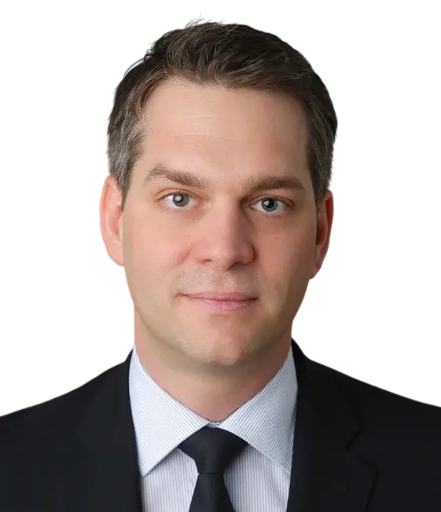
Timo S.
Last position:
IT Project Manager / IT Demand Manager at Schuhmann IT-Consulting
- Managed (Scrum / Agile) and monitored IT projects, including project controlling, service provider management, reporting, risk management and coordination of all stakeholders
- Planned and supported the go-live and hypercare phase
- Captured, assessed and prioritized requirements for demand-oriented planning and management of IT resources
- Supported the introduction of the CRIF provider for real-time decision-making in sales, fraud prevention, sanctions list screening and scalable payment processes
- Prepared status reports and decision papers for the executive board
- Planned and managed IT projects for the implementation, optimization or migration of e-commerce systems (e.g. shop systems, payment integration, order to cash)
- Coordinated interdisciplinary teams from development, UX/UI, marketing and logistics to deliver project objectives on time
- Analyzed requirements and prepared technical specifications in close coordination with stakeholders and external service providers
- Ensured the quality, performance and security of e-commerce platforms through testing, monitoring and continuous optimization
- Organized meetings with stakeholders, e.g. Demand Thinking, Warm-Up, Impact Board and program planning
- Managed and prioritized demands as well as DMP controlling and communication of results from the Impact Board and KPI analysis
Waseem S.

Last position:
Solution Architect / Subject Matter Expert at FRMCS Device Manufacturer
Participation in the EU-funded MORANE-2 project to validate the Future Railway Mobile Communication System (FRMCS) in real-world use cases: preparation of the requirements specifications for TOBA and the associated test specifications.
Technologies: 5GS (Radio & Core), FRMCS, MCx (MCPTT, MCData, MCVideo), MC Gateway UE, MCx Priority/Security/QoS Management, ETCS, SIP, IMS
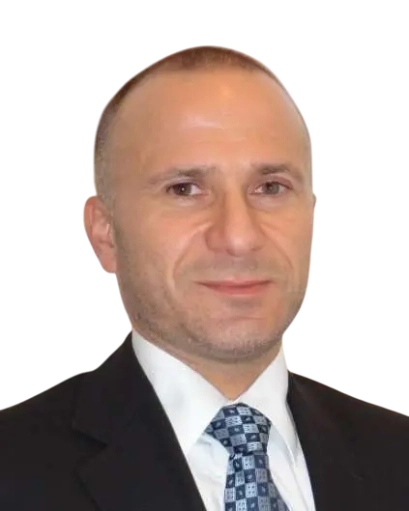
Ivaylo P.
Last position:
Senior Project / Rollout Manager at Deutsche Glasfaser GmbH
- Manage and coordinate site design, deployment, new Core/DWDM implementation, and optimization of a robust and scalable fiber optic network infrastructure
- Create high-level design (HLD) and low-level design (LLD) documents for core and aggregation network
- Define scope of network elements and establish operational and deployment guidelines
- Determine core-site strategy, integrate voice and ISP systems, and swap core components of 60 existing sites
- Develop site design, execute proof of concept, and deploy additional core sites
Frank R.

Last position:
Administrator Software / Hardware at BBH GmbH (Witbau-Gruppe)
- Administrative support in maintaining and servicing the Witbau Group's server and telecom infrastructure.
Mehmet A.

Last position:
ONTO Yapı
- Supervision and coordination on the construction site
- Planning and work preparation
- Managing construction staff
- Keeping an overview of construction costs
Discover over 15,000 top freelancers


Statistics of experts using GSM-R
Aggregated from the professional profiles of matched freelancers.

Experience
29 years

Position duration
3.1 years

Positions per freelancer
16

Top business areas
Operations, Project Management, Information Technology

Top industries
Information Technology, Telecommunication, Transportation

Certification focus areas
Information Technology, Project Management, Legal

Bachelor's degree or higher
60%

Master's degree or higher
40%

Certifications per freelancer
4

Most common languages
German, English, Bulgarian

Speak two or more languages
80%
Based on our profile pool as of 9 Oct 2026.
Daily rate distribution
The chart shows how the daily rates of experts in this technology in Germany are distributed, based on recent contracts on our platform. Each bar covers a rate range — its height shows the share of experts charging within that range.
Average rates of experts in Germany using GSM-R
Rates are based on recent contracts and do not include FRATCH margin.

The average daily rate is the mean of all daily rates from recent contracts of comparable freelancers on our platform.
The median daily rate is the middle value of all daily rates — half of comparable freelancers charge less, half charge more. Unlike the average, it is barely affected by outliers.
Calculated based on our freelancers’ daily rates as of 9 Oct 2026. Actual rates may vary depending on seniority level, experience, skill specialization, project complexity, and engagement length.
GSM-R experts industry focus
See which industries our matched freelancers work in most often — every figure is calculated live from the freelancers on FRATCH.
- Information Technology (80%)
- Telecommunication (80%)
- Transportation (60%)
- Construction (40%)
- Energy (40%)
- Professional Services (40%)
- Government and Administration (40%)
- Retail (40%)
Please note that freelancers can work across multiple industries, so percentages overlap.
About the technology
Railway communications
GSM-R is the rail-specific version of GSM used for operational voice and data. It carries train-to-ground calls, dispatch communication, and signaling-related messages along the line. Companies bring in specialists when communication must stay stable across moving trains, tunnels, stations, and depots.
Typical work
- Radio coverage planning for routes, yards, and stations
- Cab radio setup and integration with onboard systems
- Interface work with signaling, control, and dispatch tools
- Testing for handover, roaming, and call priority behavior
Strong professionals know how GSM-R behaves in real railway operations, not just in lab conditions. They understand where coverage gaps appear and how voice continuity supports safe daily service.
Ecosystem and standards
GSM-R sits in the wider railway telecom stack and connects with operational control centers, trackside equipment, and train-borne terminals. You often see it discussed together with cab radio, ETCS, and legacy railway communication systems. In some projects, people still call it GSM Railway or Global System for Mobile Communications - Railway.
When companies need help
Freelance expertise is useful during upgrades, fault analysis, migration planning, and acceptance tests. Teams also need support when a line extension, new depot, or rolling stock rollout changes the communication setup.
- Short-term support for deployment and cutover
- Troubleshooting voice drops, roaming, or handover issues
- Documentation, test plans, and acceptance support
- Vendor coordination across trackside and onboard teams
What strong specialists deliver
Good GSM-R specialists think in service continuity, not isolated devices. They check radio design, terminal behavior, dispatcher workflows, and failure handling together. In Germany, that often means working with railway operators, infrastructure teams, and contractors in mixed on-site and remote setups.
Hiring signals
Look for proven work on railway radio systems, not only general mobile networks. Useful signs include experience with field testing, root-cause analysis, and cross-team coordination between signaling, operations, and telecom partners. The best experts explain trade-offs clearly and keep communication practical during live railway work.

Frequently asked questions
Quick answers to the questions that come up most around GSM-R.

GSM-R is used for operational voice and data in rail networks. It supports train-to-ground communication, dispatcher coordination, and signaling-related messaging. Companies usually need it where railway communication must remain reliable across moving trains and changing coverage zones.
GSM-R is built for railway operations, not general consumer use. It adds rail-specific priorities, emergency call handling, and interoperability with signaling and control systems. Public mobile networks may cover a route, but they do not replace the operational features railway work depends on.
GSM-R is the common name, and many people also use GSM Railway or GSM-Railway when searching or talking about it. The full form is Global System for Mobile Communications - Railway. All of these usually refer to the same railway communication standard.
A strong GSM-R specialist often knows railway signaling, cab radio systems, radio planning, and test procedures. Experience with ETCS, operational telecoms, and vendor coordination is also useful. These projects usually need someone who can connect radio behavior with real train operations.
Bring in GSM-R expertise when you are planning an upgrade, troubleshooting service issues, preparing acceptance tests, or extending a line or depot. Freelancers are also useful when internal teams need short-term support on documentation or cross-vendor coordination. That is common in large railway programs in Germany.
GSM-R projects usually need both. Planning, documentation, and some fault analysis can be done remotely, but coverage checks, onboard testing, and acceptance work often require on-site access. In Germany, a specialist should be comfortable switching between remote coordination and field work.
A good GSM-R expert can explain what failed, where it failed, and how it affects live rail operations. Look for clear examples of radio testing, handover analysis, and work with operations and signaling teams. Practical judgment matters more than broad claims.
Freelancers working on GSM-R usually ask about the route, the rolling stock, the vendor setup, and whether the work is new deployment or troubleshooting. They also want to know if the task involves field testing, acceptance support, or documentation. Clear scope helps them prepare the right tools and methods.
The average hourly rate of freelancers in Germany who have used GSM-R in their recent projects is 108 €, which corresponds to a daily rate of about 867 € based on an 8-hour working day.
Of the freelancers in Germany who have used GSM-R in their recent projects, 60% hold at least a Bachelor's degree and 40% hold at least a Master's degree.
On average, freelancers in Germany who have used GSM-R in their recent projects have 29 years of professional experience, with a single engagement typically lasting around 3.1 years.
The most common languages among freelancers in Germany who have used GSM-R in their recent projects are German (100%), English (80%), and Bulgarian (20%).
The most common industries among freelancers in Germany who have used GSM-R in their recent projects are Information Technology (80%), Telecommunication (80%), and Transportation (60%).
The most common business areas among freelancers in Germany who have used GSM-R in their recent projects are Operations (100%), Project Management (100%), and Information Technology (80%).
Main locations of FRATCH Experts, who have recently used GSM-R
Our freelancers and interim experts are at home across the DACH region — available on-site in the major business hubs or fully remote. Choose a location to discover matched specialists, local market insights and up-to-date availability.
 Berlin Hamburg Munich Cologne Frankfurt Stuttgart Dusseldorf Leipzig Dortmund Essen Bremen Dresden Hanover Nuremberg
 Request a free demo
Get in touch with the FRATCH team and we will get back to you within 4 hours.
Would you rather directly get in touch?
We always have the time for a call or email!

Philipp Thomaschewski
FRATCH CEO

