


Field Engineers in Germany
matched in minutes from over 15,000 CVs with the power of AIBring in field service support for commissioning, troubleshooting, preventive maintenance, and equipment upgrades. Ideal for industrial plants, telecom sites, energy assets, and complex installations. Get fast, precise matching with vetted, available freelancers.

Meet FRATCH Field Engineers in Germany
Stephen T.

Last position:
Quality Management at ZF Services
- Problem solving all related quality issues and establishment/preparing PPAPs for Volta Trucks Ltd.
- Engaged for remanufacturing JLR automatic transmissions PPAPs for ZF Automotive.
Jeffrey J.

Last position:
UAV Field Engineer at Helsing
- UAV Field Testing: field testing for Unmanned Aerial Vehicles (UAVs) to ensure operational readiness.
- Quality Assurance (QA) Lead: Served as the Production Shift Lead for drone manufacturing, overseeing hardware and software quality checks and performance analysis.
- GCSO – Ship Landing Project: Acted as the Ground Control Station Operator (GCSO) for specialized maritime ship-landing operations.
- Weaponization Operator: Managed and operated specialized systems for tactical drone weaponization.
Izet B.

Last position:
Field Service Technician at Fibronet GmbH
- Installation of fiber-optic distribution (network level 4) in accordance with planning documents in apartment buildings
- Laying, assembly and installation of fiber-optic cables
- Assembly of racks/cabinets, patch panels and multimedia sockets
- Assembly and splicing of optical fibers in splice distribution boxes, as well as building and apartment connections
- Installation of internet and TV connections at customers’ premises
- Operation and maintenance of fiber-optic blowing equipment
- Use of IT systems for order planning, processing, documentation and appointment tracking
- Processing and transmission of information and data in compliance with data protection regulations
Frédéric F.
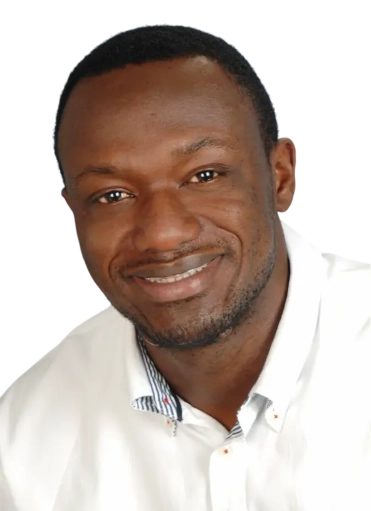
Last position:
Resident Engineer at Audi AG
- Prototype test drive
- Tests (SW/HW) on dynos, HIL/SIL and vehicles
- Inverter updates (flashing of EOL, boot manager, software…)
- Software commissioning
- Attending task force meetings
- Daily project management meeting
- Generation, tracking and updates of Jira tickets
- Support resolution of soft-hardware issues (troubleshooting)
- Participation of national and international test drives in Germany (Neustadt PGN), Italy (Nardo – Porsche Engineering NTC), Finland (Muonio WTCS), Sweden (Arvidsjaur)
- Performing coding (CP-Tool) and calibration activities (Vector/Inca)
- Implementing component protection VKMS via Fazit-ODIS (with UDS request) or learning/married/pairing (using PKI card)
- Recording traces for defect analysis
- Producing test reports and test summary reports
- Delivering broken hardware to the factory location and changing it with new or refurbished hardware
- Collaborating with client stakeholders and development teams
Tomasz W.

Last position:
Design Engineer/ Freelancer at Reiser Simulation and Training GmbH
- Designed components with Catia V5 (Generative Shape Design, Part Design, Drafting) and AutoCAD
- Full-flight simulator: developed a platform with an electromechanical system to move the platform and instructor/observer seats
- Airbus H145: designed seat slide rails
- VR flight simulator: developed a pedal mounting system
- Train simulator: designed a brake controller system
- Sketched concepts for quick visualization and as a communication tool
- Performed technical analyses, including statistical and tolerance analysis
- Collaborated with engineers and project teams to ensure manufacturability, cost efficiency, and quality standards compliance
- Managed and maintained CAD data in the PDM system (S4)
Marvin M.
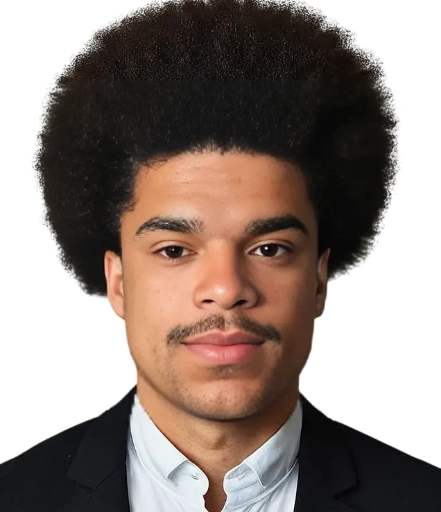
Last position:
Field Service Coordinator (Freelance) at Elis Group
- Supported national site migration & the software team
- Installed printers, scanners, network cabinets, antennas, etc.
- Prepared and assigned hardware
- End-user support, administrative & production migrations, stakeholder management
- Ensured workstations were operational
- Configured printers and phased out outdated devices
Shekar V.
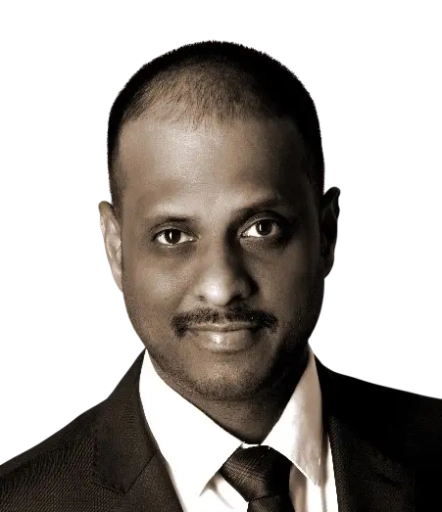
Last position:
Resident Engineer – G67 Thermal System at BMW AG / MIND Business and Technology GmbH
- Data management for BMW G67 climate system
- 3D data release according to BMW milestones
- Coordination of G67 HVAC and PTC DFMEA, PFMEA
- Coordination between China and BMW Munich on a complex high-voltage PTC 800-volt topic
Werner K.
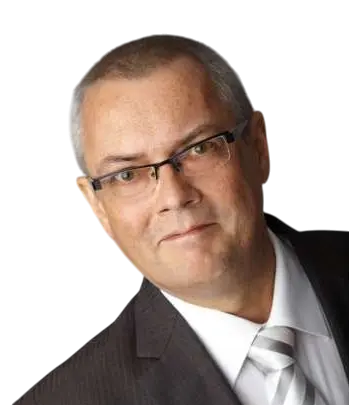
Last position:
Development engineer, design, project management, project lead, resident engineering at Various major suppliers and engineering service providers of BMW AG
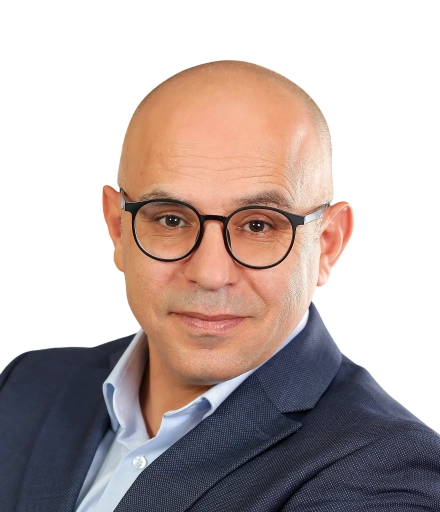
Mohammad M.
Last position:
Senior Field Application Engineer at LEM Europe GmbH
- Played a key role in shaping the Global Go-to-Market Sales Strategy as a member of the pioneering GKAM team.
- Contributed to the development of new current sensor technologies for Battery Electric Vehicles (BEV) and Hybrid Electric Vehicles (HEV).
- Technical consulting to OEMs and Tier 1 suppliers regarding LEM Automotive current sensors.
- Identified new business opportunities by evaluating the value proposition of LEM's product portfolio.
- Organized and conducted training sessions for sales teams.
- Established and nurtured relationships with customer design centers.
Discover over 15,000 top freelancers


Field Engineers statistics
Aggregated from the professional profiles of matched freelancers.

Experience
20 years

Position duration
3 years

Positions per freelancer
11

Top business areas
Project Management, Product Development, Operations

Top industries
Manufacturing, Automotive, Energy

Certification focus areas
Information Technology, Product Development, Project Management

Bachelor's degree or higher
89%

Master's degree or higher
33%

Certifications per freelancer
2

Most common languages
German, English, Tamil

Speak two or more languages
89%
Based on our profile pool as of 9 Oct 2026.
Daily rate distribution
The chart shows how the daily rates of experts in this role in Germany are distributed, based on recent contracts on our platform. Each bar covers a rate range — its height shows the share of experts charging within that range.
Average rates for Field Engineers in Germany
Rates are based on recent contracts and do not include FRATCH margin.

The average daily rate is the mean of all daily rates from recent contracts of comparable freelancers on our platform.
The median daily rate is the middle value of all daily rates — half of comparable freelancers charge less, half charge more. Unlike the average, it is barely affected by outliers.
Calculated based on our freelancers’ daily rates as of 9 Oct 2026. Actual rates may vary depending on seniority level, experience, skill specialization, project complexity, and engagement length.
Field Engineers experts industry focus
See which industries our matched freelancers work in most often — every figure is calculated live from the freelancers on FRATCH.
- Manufacturing (89%)
- Automotive (78%)
- Energy (56%)
- Construction (33%)
- Healthcare (33%)
- Professional Services (33%)
- Aerospace and Defense (22%)
- Agriculture (11%)
Please note that freelancers can work across multiple industries, so percentages overlap.
About the role
What they do
Field Engineers keep equipment, systems, and sites running when work has to happen in person. They install, commission, inspect, maintain, repair, and hand over technical assets in the field. Typical work includes fault finding, tests, documentation, spare-parts checks, and clear handoff to client teams.
- Site surveys and technical inspections
- Installation and commissioning support
- Troubleshooting, repair, and root-cause analysis
- Preventive maintenance and service visits
- Handover notes, test reports, and as-built updates
Core skills
A strong Field Engineer combines hands-on technical skill with calm communication. They read manuals, wiring diagrams, and service procedures, then translate them into safe, practical work on site. Common tools include multimeters, calibration gear, laptops, remote access tools, and vendor-specific diagnostic software.
- Mechanical, electrical, or electromechanical troubleshooting
- Safe work practices and site access discipline
- Reading technical drawings, schematics, and service logs
- Working with PLCs, sensors, controls, or networked systems
- Clear reporting to operations, service, and project teams
Where they fit
Companies bring in freelance Field Engineers when internal teams are stretched, a rollout needs local execution, or specialist knowledge is needed for a specific asset or vendor. This is common for shutdowns, relocations, warranty work, upgrades, and urgent fixes that cannot wait for a permanent hire.
In Germany, clients often need support across industrial production, energy, logistics, building technology, and infrastructure projects. On-site presence matters, but many tasks still benefit from remote preparation, parts coordination, and follow-up reporting.
What strong experts stand out on
The best Field Engineers stay structured under pressure. They arrive prepared, diagnose quickly, and work safely without creating new problems. They also know when to escalate, when to document, and how to keep customers informed in plain language.
- Fast, methodical fault isolation
- Reliable documentation and handover
- Vendor and customer coordination
- Safe, tidy, and compliant site work
- Ability to adapt across machines, systems, and sites
Typical assignments
Freelance Field Engineers are often hired for commissioning new equipment, supporting rollouts across multiple sites, handling service tickets, or bridging gaps during absences and peak demand. They also help when a project needs a specialist for a particular brand, system, or maintenance procedure.
A good brief names the asset type, site conditions, required certifications, access rules, and expected deliverables. That helps the engineer prepare the right tools, parts, and test plan before arriving on site.
Choosing the right person
Look for practical evidence, not just a CV title. Ask for examples of similar installations, failed-equipment recovery, and customer-facing work. The right Field Engineer is precise, safe, and able to finish the job with clear records that the next team can use.

Frequently asked questions
The facts hiring teams ask for most often when it comes to Field Engineers.

A Field Engineer typically works on site to install, commission, inspect, maintain, or repair technical equipment. The role often includes testing, fault finding, and writing service reports so the client team can take over cleanly. In practice, the scope depends on the asset, the site rules, and whether the job is a planned visit or an urgent callout.
Look for strong hands-on troubleshooting, safe site work, and clear technical communication. A good Field Engineer should read drawings, follow service procedures, and work comfortably with tools such as diagnostic software, meters, and calibration equipment. Experience with the exact machine, system, or vendor is a plus when the job is specialized.
The titles overlap, but the focus can differ. A Field Engineer usually covers a broader mix of installation, repair, technical support, and customer handover, while a service technician may stay closer to routine maintenance. A commissioning engineer is more focused on start-up and acceptance testing, although the same person can cover all three in smaller projects.
Freelance support makes sense when the need is temporary, project-based, or tied to a specific site or vendor. It is also a good fit when you need local execution fast, but do not want to carry a full-time headcount for intermittent work. That is common for rollouts, shutdowns, upgrades, and short-notice repairs.
Some parts of the job can be done remotely, but Field Engineers are mainly an on-site role. Remote work is useful for planning, diagnosis based on logs or photos, spare-parts coordination, and reporting after the visit. For physical installation, commissioning, and repair, presence at the site is usually essential.
Ask for a recent example of a fault they solved, how they approached the diagnosis, and what they documented afterward. Strong candidates can explain their method clearly and show that they work safely and leave the site in order. You can also ask which tools, systems, or vendors they have worked with and how they handle unclear or changing site conditions.
In Germany, Field Engineers are often used in manufacturing, industrial automation, energy, telecom, logistics, and building technology. These environments need people who can work on equipment in operation and communicate with site teams in English and, often, German. The best fit depends on the asset type, the client’s safety rules, and how much travel the assignment requires.
A freelance Field Engineer should review the asset details, site access rules, safety requirements, and expected deliverables before arrival. It also helps to confirm tools, spare parts, documentation access, and contact persons in advance. Clear preparation reduces downtime once the work starts on site.
The average hourly rate for Field Engineers in Germany is 83 €, which corresponds to a daily rate of about 663 € based on an 8-hour working day.
Of the freelancers working as Field Engineers in Germany, 89% hold at least a Bachelor's degree and 33% hold at least a Master's degree.
On average, freelancers working as Field Engineers in Germany have 20 years of professional experience, with a single engagement typically lasting around 3 years.
The most common languages among freelancers working as Field Engineers in Germany are German (89%), English (89%), and Tamil (22%).
The most common industries among freelancers working as Field Engineers in Germany are Manufacturing (89%), Automotive (78%), and Energy (56%).
The most common business areas among freelancers working as Field Engineers in Germany are Project Management (89%), Product Development (78%), and Operations (67%).
FRATCH Field Engineers main locations
Our freelancers and interim experts are at home across the DACH region — available on-site in the major business hubs or fully remote. Choose a location to discover matched specialists, local market insights and up-to-date availability.
 Berlin Hamburg Munich Cologne Frankfurt Stuttgart Dusseldorf Leipzig Dortmund Essen Bremen Dresden Hanover Nuremberg
 Request a free demo
Get in touch with the FRATCH team and we will get back to you within 4 hours.
Would you rather directly get in touch?
We always have the time for a call or email!

Philipp Thomaschewski
FRATCH CEO

