


MATLAB Experts in Zurich
matched in minutes by AIHire experts who develop simulation models, process experimental data and create production-ready algorithms with MATLAB, Simulink and relevant toolboxes. FRATCH connects you quickly with vetted, available freelancers whose skills match your technical requirements.

Meet FRATCH Experts in Zurich, who have recently used MATLAB
Georgios S.

Last position:
Senior Software Engineer at UBS Bank
- Implementations of a code refactoring framework able to refactor thousands of repositories leveraging Generative AI
- Use Python (Django, Flask, FastAPI), Java and Typescript in Azure Cloud (Data Lake, VMs, AI) and GitLab infrastructure
- Mentoring and pair programming
- Obtained Azure AI-900 and AI-102 certifications
Ursula M.
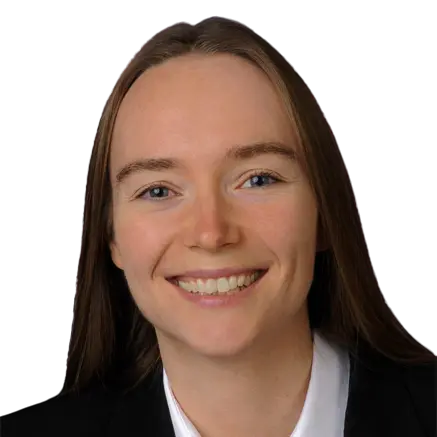
Last position:
Business Mentor at RoleModel Rebels
- Mentor female students and professionals in advancing their careers, particularly as aspiring tech entrepreneurs.
Alejandro A.

Last position:
AI Researcher & Engineer at Tufa Labs
- Deployed and optimized the inference stack on a multi-node DGX B200 cluster across vLLM and SGLang (serving, throughput and latency tuning).
- Built, with a small team, an internal Python library for LM pretraining covering the full training loop: distributed training with PyTorch FSDP, data pipelines, checkpointing, config and hyperparameter management, and experiment tracking.
- Built and evaluated agent scaffolds on interactive game benchmarks similar to ARC-AGI-3, with metrics for how models plan, explore and adapt across multi-step episodes; classified model errors and fed the findings back into scaffold and evaluation design.
- Researched looped transformer architectures.
Ioannis K.

Last position:
Algorithms Development Expert, Research & Development at Reishauer AG
- Mathematical specification and definition, analysis and software development of the skiving cutter tool motion planning within the skiving machine for simultaneous and sequential gear flank processing
- Twist-free topological manufacturing
- Workpiece flank line modifications
- Workpiece flank line and profile corrections
- Workpiece tooth thickness deviations
- Computer vision algorithms for automatic wear detection of the skiving cutter tool
- Software development for corrections of the machine kinematics for the profile grinding product series, including twist-free grinding
- Software development for corrections of the machine kinematics, quality measurement and evaluation for the slot grinding product series
- Performance analysis and continuous improvement of internal design tools (RTDesign)
- Tools used: C#, .NET, TeamCity, git, PostgreSQL, MySQL
Balázs S.
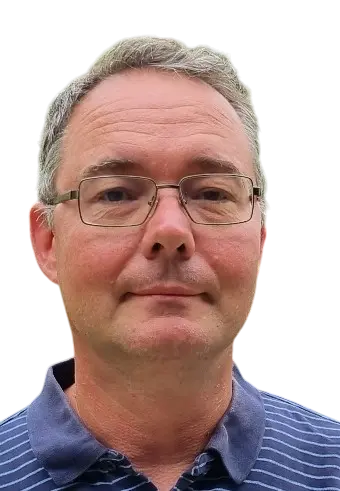
Last position:
Owner at Schweighoffer GmbH
- Business analysis and requirements engineering
- Consulting technical mathematics and control theory
- Selling outsourcing software development projects to companies
- Project lead, controlling and automated testing
- Software design and support
- Developed control algorithm for a sensorless permanent magnet electric motor
- Solved control engineering problems for customers
Martin A.
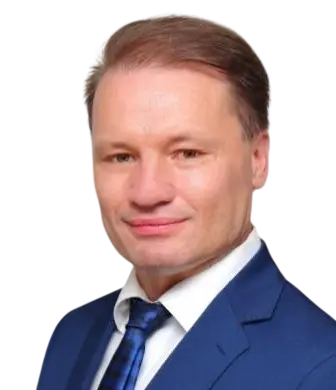
Last position:
Martin Aicher
Main areas of activity ⋅ Martin Aicher
Areas of expertise
Medical technology
Sensor technology
Technical optics
Mechatronics
Microsystems technology
Biocompatible materials
Implants and endoprosthetics
Project management
Quality management IPMA
Regulatory affairs
Education
Dr.-Ing. Medical Technology
M.Sc. Medical Technology
Dipl. Ing. (FH) Medical Technology
Surgical mechanic, precision mechanic
Methodical product development
26 years of research, development, verification and agile product development
5 years of hands-on manufacturing of micromechanical instruments and implants
Projects
Development and verification of technical optics
Microscopy
Endoscopy
Immersion optical systems
Optical sensors
Light guides
Device development — medical electronics, active medical devices
Electromagnetic therapy devices for microcirculation of blood vessels
Electric drives, precision mechanics motors
Embedded devices, Medicine 4.0 / Industry 4.0
Feasibility studies, prototype design, electromechanical, chemical and hydrodynamic characterization up to series maturity
Structural integration of motors for pump systems
Integration of motors for catheter drives
Implantable drive systems with motors
Bone saws with Maxon motors
Osteosynthesis implant (bone implant) with linear drive
Electromagnetic therapy devices for microcirculation of blood vessels
Gold and platinum substitution for electrodes
Electrochemical impedance spectroscopy (EIS)
Characterization and development of battery cells and Li-ion batteries
Biocompatible materials: stainless steel, titanium, nitinol, polymers, ceramics, composites
Vacuum device with pumps for wound healing
Braided tubes (reinforced hoses)
Shaft instruments and trocars
Surgical instruments, minimally invasive instruments (MIC)
Analytical instruments, sensors and fluid preparation
Monitoring systems
In vivo diagnostics (IVD)
Inline measurement systems for monitoring and analytical devices
Feasibility studies, prototype design, electrochemical and hydrodynamic characterization up to series maturity
Electrochemical deionization (EDI) as a monitor
Membrane technology
Measurement method and control of carbide saturation in cooling water
pH sensor
Optical sensors with laser diodes and LEDs
Dissolved O2 sensor
CO2 sensors
Ion-selective sensor (ISE)
Conductivity sensors
Turbidity sensor according to ISO 7027
Biosensors
Flow and pressure sensors
Gold and platinum substitution for electrodes
Electrochemical impedance spectroscopy (EIS)
Biocompatible materials: stainless steel, titanium, nitinol, polymers, ceramics, composites
Design of plastic injection-molded components and housings
Calculation and design of fluid channels
Design of metal die-cast components
Design of sheet metal parts
Implants and prostheses
Endoprosthetics: knee and hip endoprostheses
Bypass implants
Nitinol stents
Bone plates
Dental implants
Precision meshes
Instruments for medical technology
Angioplasty: PTCA percutaneous transluminal coronary angioplasty with balloon catheter
Catheter system as minimally invasive heart pump
EN ISO 10555-4: intravascular catheters
Braided tubes (reinforced hoses through precision meshes)
Thrombectomy with rotablation catheter
Trocars
Surgical instruments, minimally invasive instruments (MIC)
Endoscopes ISO 8600-1, EN 60601-2-18, EN 62471
Regulatory affairs for medical devices
CE for Europe (Class II and III), EU Medical Device Regulation 2017/745 (MDR)
EU Regulation 2017/746 for in vitro diagnostics (IVDR)
Ensuring complete documentation according to current regulatory requirements
FDA registration and approval 510(k), PMN, PMA, Class II, III
Design History Files (DHF), Device Master Record (DMR), Device History Record (DHR)
Internal and external audits
FDA and CE audits
Mock audits
Requirement engineering, user requirement specifications, functional requirement specifications
Quality management and relevant standards for medical technology
EN ISO 9001:2015
EN ISO 13485:2021
USA FDA 21 CFR 820 Quality Management System
FDA 21 CFR §§ 803, 806, 807, 830
In vitro diagnostics (IVD, IVDR) FDA 21 CFR §§ 600, 610, 660
USA FDA risk management for medical devices DIN EN ISO 14971:2019
P-FMEA for production
Usability of medical devices EN 62366-1:2021
CAPA (Corrective and preventive action) and GMP
Medical electrical equipment EN 60601-1:2013
EMC for medical devices DIN EN 60601-1-2:2022
Medical device software EN 62304:2018
Cell culture in cleanroom with different cell lines for biocompatibility testing of polymers and alloys
Biological evaluation of medical devices EN ISO 10993
Clinical investigation of medical devices ISO 14155
Manufacturing technology and processes
Process qualification and validation
Injection molding technology
CNC micromechanical manufacturing
Microsystems technology, printed circuit boards (PCB)
Joining technologies: laser welding of titanium, stainless steel, plastics as well as gluing and ultrasonic welding
Evaluation, setup and qualification of equipment
Thin film and surface technology
Coating of implants and tribological surfaces with chemical vapor deposition (CVD) and physical vapor deposition (PVD), sputtering of precious metals, stainless steels, nitinol, titanium alloys, polymers and ceramics
Plasma technology for functional coatings: hydrophilic and hydrophobic surfaces
Nanotechnology: surface functionalization: self-assembled monolayers (SAM)
Product Life Cycle Management
Finite element method
ANSYS FEM
Structural mechanics, statics
Fluid mechanics, flow simulations
Electrical engineering, electromagnetic fields
Characterization and testing of microelectronics
PCB (printed circuit board)
Sensor technology
Microcontrollers
CAN bus: ISO 11898, SAE
Control and data management with LabVIEW and Matlab
Programming language
Python 3.14
CAD
Autodesk Inventor
Pro/ENGINEER, PTC Creo Parametric
SolidWorks
Siemens NX
Solid Edge
Standards-compliant technical drawings
Endurance tests, mechanical, fluid mechanical, electrical and chemical characterization
Verification, V-Model, End of Line (EOL) testing
Writing work instructions for production, English regulatory documents and scientific articles
Support of clinical studies
Data processing, digital data management and statistics
Professional handling of Microsoft Office applications: PowerPoint, Word and macro programming for Excel
© 2026 M. Aicher
Discover over 15,000 top freelancers


Statistics of experts using MATLAB
Aggregated from the professional profiles of matched freelancers.

Experience
18 years

Position duration
3.7 years

Positions per freelancer
7

Top business areas
Product Development, Research and Development, Information Technology

Top industries
Education, Banking and Finance, Information Technology

Certification focus areas
Information Technology, Business Intelligence, Research and Development

Bachelor's degree or higher
83%

Master's degree or higher
83%

Doctorate
33%

Certifications per freelancer
3

Most common languages
English, German, Greek

Speak two or more languages
100%
Based on our profile pool as of 16 Oct 2026.
Daily rate distribution
The chart shows how the daily rates of experts in this technology in Zurich are distributed, based on recent contracts on our platform. Each bar covers a rate range — its height shows the share of experts charging within that range.
Average rates of experts in Zurich using MATLAB
Rates are based on recent contracts and do not include FRATCH margin.

The average daily rate is the mean of all daily rates from recent contracts of comparable freelancers on our platform.
The median daily rate is the middle value of all daily rates — half of comparable freelancers charge less, half charge more. Unlike the average, it is barely affected by outliers.
Calculated based on our freelancers’ daily rates as of 16 Oct 2026. Actual rates may vary depending on seniority level, experience, skill specialization, project complexity, and engagement length.
MATLAB experts industry focus
See which industries our matched freelancers work in most often — every figure is calculated live from the freelancers on FRATCH.
- Education (67%)
- Banking and Finance (67%)
- Information Technology (67%)
- Manufacturing (67%)
- Healthcare (50%)
- Automotive (33%)
- Energy (33%)
- Utilities (33%)
Please note that freelancers can work across multiple industries, so percentages overlap.
About the technology
Core capabilities
MATLAB is a numerical computing environment from MathWorks used for algorithm development, data analysis, visualization and technical simulation. Professionals use its matrix-based language to turn complex calculations into repeatable workflows, research tools and validated models. Simulink extends this work into graphical modeling and simulation of dynamic systems.
Models and systems
MATLAB supports work across signal processing, image analysis, control systems, optimization, statistics and machine learning. With Simulink and Stateflow, teams can model continuous, discrete and event-driven behavior before implementation on target hardware.
- Build simulation and digital-twin models
- Develop control, estimation and optimization algorithms
- Analyze sensor, test and experimental data
- Create technical visualizations and reporting workflows
Tooling and integration
The ecosystem includes specialized toolboxes, Simscape, Stateflow, MATLAB Compiler and code-generation products such as MATLAB Coder and Simulink Coder. Strong specialists also work with Python, C, C++, Git, testing frameworks, databases and hardware interfaces when models must connect to wider systems.
When support matters
Companies often bring in freelance MATLAB expertise when a research prototype must become a tested application, a simulation needs validation, or internal teams need support with a complex toolbox. In Zurich, this can be relevant to robotics, mobility, medical technology, industrial automation, finance and scientific research. Remote work suits many analysis tasks; laboratory tests and hardware integration may require on-site collaboration.
Quality signals
Look for professionals who can explain assumptions, units, model boundaries and validation methods, not only produce working scripts. A reliable specialist structures code, documents data sources, adds tests and profiles performance. Experience with version control, reproducible environments and clear technical handover reduces risk when a model moves from exploration toward production.
Project fit
The right profile depends on the deliverable. Data analysis may call for statistics and visualization; embedded control work may require real-time simulation, code generation and hardware-in-the-loop testing. Ask for a walkthrough of a comparable model, the validation approach and the expected interface with existing software. Language needs should also be agreed early for distributed teams in Zurich.

Frequently asked questions
Questions about MATLAB? Start with the answers below.

MATLAB is used for numerical computing, data analysis, visualization, algorithm development and simulation. Companies apply it to areas such as control systems, signal processing, image analysis, optimization and machine learning.
MATLAB offers an integrated environment, specialized toolboxes and strong support for matrix operations, modeling and engineering workflows. Python provides a broad open-source ecosystem and often fits general software or data platforms better, so the choice depends on existing tools, licensing, deployment needs and the required domain libraries.
A strong MATLAB specialist may also work with Simulink, Stateflow, Simscape, MATLAB Coder and hardware-in-the-loop testing. Python, C or C++, Git, numerical methods, statistics and domain knowledge in controls or signal processing can be equally important.
The need depends on the scope rather than a fixed tenure. A focused script or data workflow may need a specialist who can work independently with the relevant toolbox, while safety-critical control, code generation or large simulations require deeper modeling, testing and domain expertise.
Many MATLAB tasks, including modeling, analysis and code review, can be completed remotely with shared repositories and documented datasets. On-site access may still matter for laboratory equipment, hardware integration, measurement campaigns or real-time testing in Zurich.
Simulink is useful when a team needs graphical models and simulation for dynamic, continuous or discrete systems. MATLAB can handle calculations and scripting on its own, while Simulink adds model-based design, Stateflow logic and pathways toward code generation.
Review how the specialist defines assumptions, structures the model and validates results against test data or known behavior. Good work includes readable code, controlled dependencies, meaningful tests, documented limitations and a clear handover rather than an opaque script that only works on one machine.
MATLAB is common in engineering research, robotics, mobility, medical technology, industrial automation, aerospace and scientific computing. Zurich-based teams may also use it for quantitative analysis, sensor systems and advanced product development where simulation supports design decisions.
The average hourly rate of freelancers in Zurich, Switzerland who have used MATLAB in their recent projects is 113 €, which corresponds to a daily rate of about 907 € based on an 8-hour working day.
Of the freelancers in Zurich, Switzerland who have used MATLAB in their recent projects, 83% hold at least a Bachelor's degree, 83% hold at least a Master's degree, and 33% hold a doctorate.
On average, freelancers in Zurich, Switzerland who have used MATLAB in their recent projects have 18 years of professional experience, with a single engagement typically lasting around 3.7 years.
The most common languages among freelancers in Zurich, Switzerland who have used MATLAB in their recent projects are English (100%), German (83%), and Greek (33%).
The most common industries among freelancers in Zurich, Switzerland who have used MATLAB in their recent projects are Education (67%), Banking and Finance (67%), and Information Technology (67%).
The most common business areas among freelancers in Zurich, Switzerland who have used MATLAB in their recent projects are Product Development (100%), Research and Development (100%), and Information Technology (83%).
Main locations of FRATCH Experts, who have recently used MATLAB
Our freelancers and interim experts are at home across the DACH region — available on-site in the major business hubs or fully remote. Choose a location to discover matched specialists, local market insights and up-to-date availability.
Countries:
 Zurich
  Geneva Basel Bern
 Request a free demo
Get in touch with the FRATCH team and we will get back to you within 4 hours.
Would you rather directly get in touch?
We always have the time for a call or email!

Philipp Thomaschewski
FRATCH CEO

